
How Arrest Warrants Work in Irion County
Under Texas Code of Criminal Procedure Chapter 15, an arrest warrant is a written command from a magistrate. It directs a peace officer to bring a named accused, or a person described with reasonable definiteness, into custody. The order must state the offense and carry the magistrate's signature. A sworn complaint or affidavit can supply the grounds for issuance. Irion County's public pages name no single arrest-warrant judge; any authorized magistrate may issue the process. From there the matter may tie into a district, county, Justice, or municipal court record, so the case number tells you which court holds the file.
Irion County Arrest Warrant Forms Under Article 15.01
Article 15.01 gives the statewide definition of an arrest warrant. Article 15.02 lists what the document must contain, and Article 15.03 covers issuance on sworn allegations or other authorized grounds. Ask the clerk for the cause number, the issuing magistrate, the charge, and whether an affidavit backs the warrant. Irion County publishes no local warrant template or warrant-number pattern. Read Texas Code of Criminal Procedure Chapter 15 for the warrant and arrest provisions.
Arrest Warrants: What They Contain
No sample arrest warrant is published for inspection in Irion County, and no warrant-number format appears either. The statute itself supplies a general checklist of what a warrant contains. The local court can tell you which portions of the document are public. Bond amounts are case-specific. Juvenile and sealed matters carry added restrictions.
| Warrant or cause number | Ask whether the court assigns a separate instrument number; the District Clerk form uses F, CV, and CR case categories. |
|---|---|
| Named person | Name or reasonably definite description, subject to redaction and juvenile rules. |
| Offense | Charge stated in the order or related file. |
| Issuing magistrate | Magistrate name, court, and signature on the order. |
| Bond | Amount and type set for the individual case, if available. |
| Issue and return dates | Ask the clerk whether service or return information appears in the public file. |
Irion County Arrest Warrant Records Stop at Felony Files
The District Clerk keeps the felony files for the 51st District Court and offers a name or cause-number request form. That form states plainly that its criminal search covers felonies only, not misdemeanors. A misdemeanor arrest warrant may sit with County Court, Justice Court, or Mertzon Municipal Court, depending on the case. The fee is $5 per name or case search, paid in advance, plus $1 per page for any records found. Ask which court holds the case before sending payment. Contact the Irion County District Clerk for the felony-file route.
How Warrants Get Served in Irion County
The Irion County Sheriff serves legal papers of various kinds, runs the jail, and provides court security, according to the county's department descriptions. Those pages do not spell out every agency assignment, and they never claim the Sheriff serves each warrant personally. Texas law allows any authorized peace officer to execute a warrant. A city officer, a constable, or another agency may be involved, so confirm the serving agency instead of assuming one Irion County office holds the whole record. Call the Sheriff at 325-835-2551 and the issuing court before you show up anywhere. Local pages post no booking hours, surrender instructions, or bond window. Once an arrest happens, a magistrate handles the next custody and bond steps under Texas law.
Irion County Arrest Warrant Bond Amounts Are Case-Specific
Irion County publishes no current countywide bond schedule. The District Clerk's fee schedule lists clerk charges, not the principal amount a judge might set in a particular case. Texas law recognizes personal, cash, and surety bonds. Ask the court which type is allowed, where it is accepted, and whether an attorney can arrange an appearance for you. The Texas Judicial Branch posts statewide bail and pretrial information, though that page is not an Irion County case lookup. Review Texas Bail and Pretrial resources for general bond forms and statewide guidance.

Only the issuing court can confirm the current bond decision for an individual case.
Irion County Federal Arrest Warrants Use a Separate Court
Federal process runs on a separate track. Irion County sits in the Northern District of Texas, San Angelo Division, and federal warrants never land in a county clerk file. Sealed federal cases stay out of view too. PACER opens public dockets, but it is not a dedicated warrant search, and warrant material may stay sealed until arrest. The San Angelo Division page names the counties served and the courthouse rules.
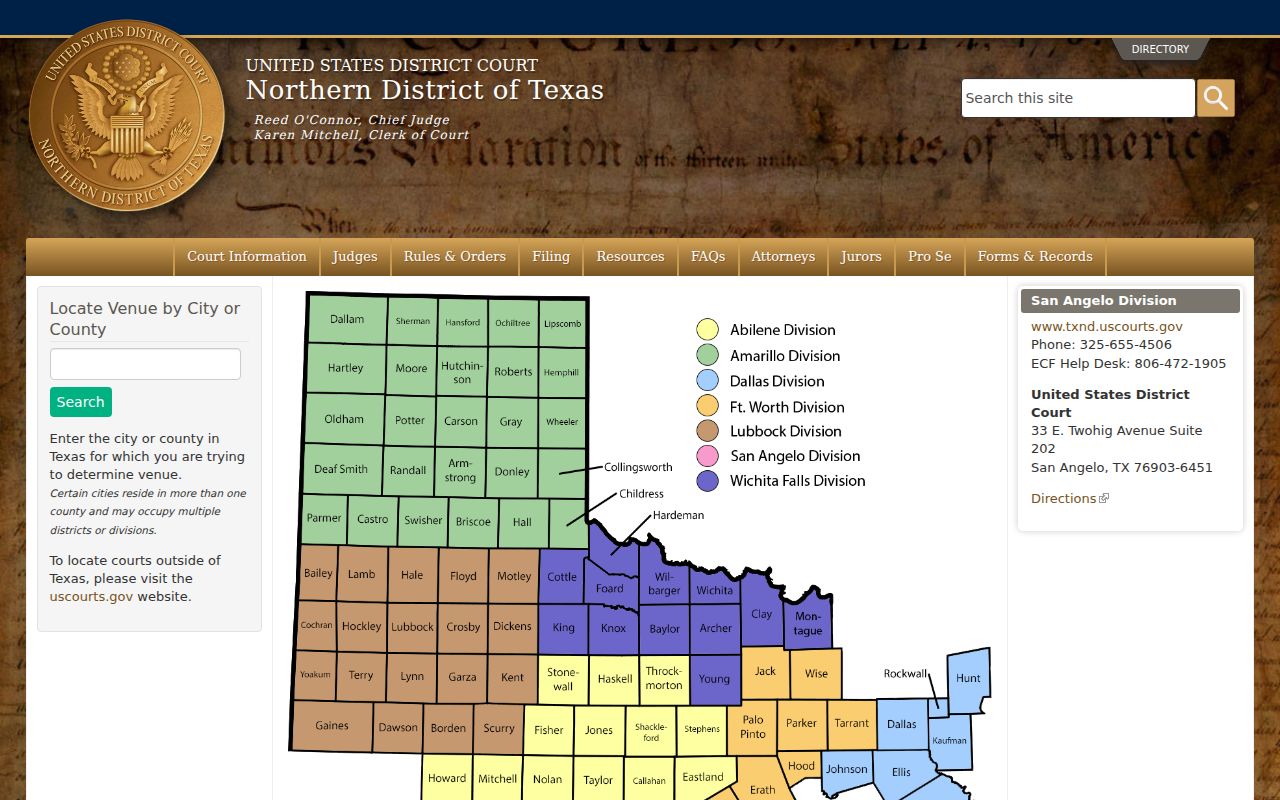
The division page puts federal court access outside the Irion County system. PACER's pricing page explains the charges for public dockets. For a specific federal concern, a federal lawyer or clerk is the better contact.
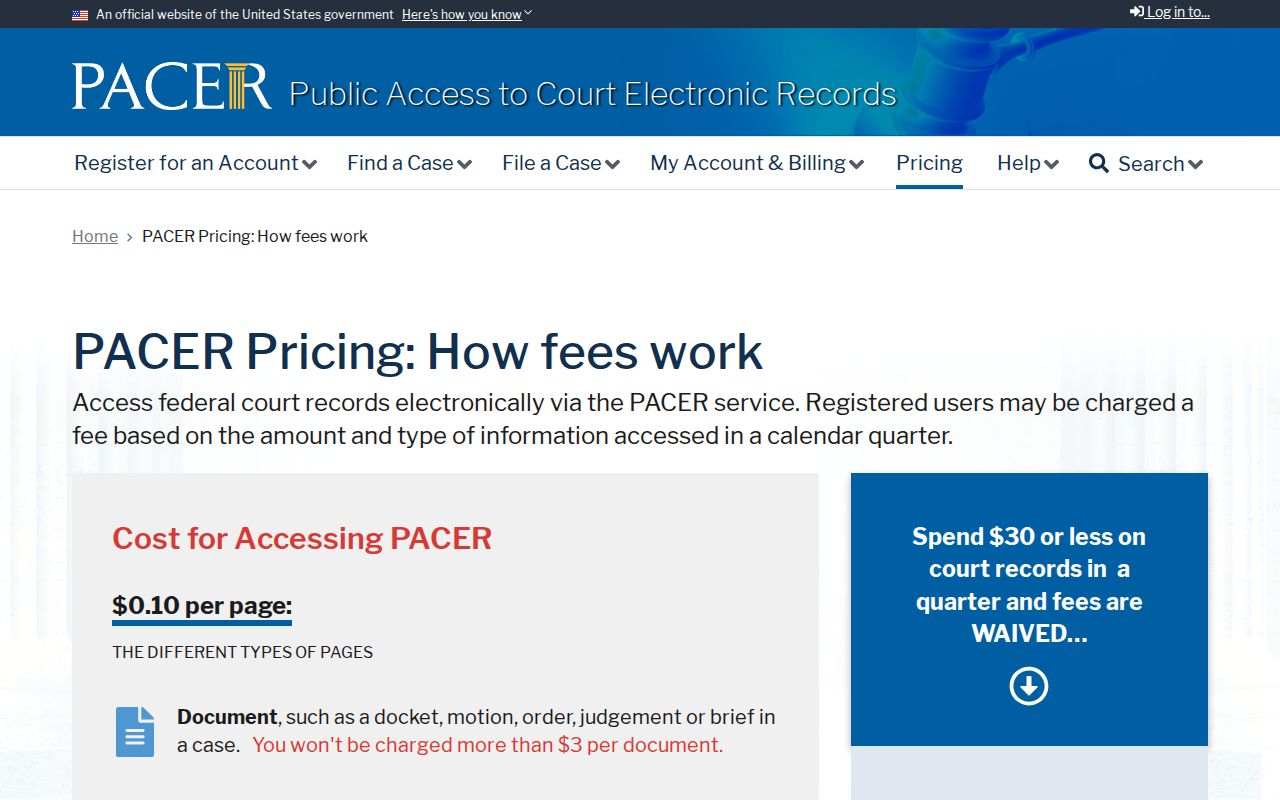
PACER may show a public case document, but it cannot guarantee that a sealed Irion County warrant is visible there.
Arrest Warrants, Summonses, and Bench Warrants
An arrest warrant authorizes custody on the legal grounds stated in the order. A summons, by contrast, tells a person to appear without that immediate custody command. A bench warrant answers a missed obligation in an existing case. Read the court paper's title and note the issuing court, because those details point to the right response in Irion County.
| Feature | Arrest Warrant | Summons | Bench Warrant |
|---|---|---|---|
| What it orders | Take the accused person into custody | Appear at a date or answer a charge | Address a missed court obligation |
| Basis | Probable cause and statutory grounds | Court process to secure an appearance | Failure to appear, comply, or obey an order |
| Issuer | Authorized magistrate | Court or authorized officer | Judge in the underlying case |
| First call | Issuing court and Sheriff | Court listed on the notice | Court that set the missed date |
Irion County Arrest Warrant Walk-Through Questions
No Irion County office publishes a standing voluntary-surrender form, a walk-through calendar, jail intake hours, or bond payment methods. If you believe an active warrant is out, an attorney can contact the court, verify the case, and ask whether a planned appearance or bond is on the table. That answer always depends on the case and the judge. Before going anywhere, ask where to report, what identification to bring, whether a magistrate will be available, and how bond can be posted. A mailed payment or an online receipt does not end an arrest warrant by itself.
Handling an Arrest Warrant in Your Name
First, find out which court issued the warrant in Irion County. That court, not the sheriff, is the one that can recall or quash it. A felony means calling the District Clerk and Sheriff; a county-court case means the County Clerk. For a JP or Mertzon matter, call that court directly. Ask a lawyer about a voluntary appearance, bond, or a motion to recall or quash; posting bond does not dismiss the underlying case, and the local booking process is not published.
Important: Speak with a Texas attorney before surrendering; ask the issuing court how bond, magistration, booking, and any recall order will be handled.